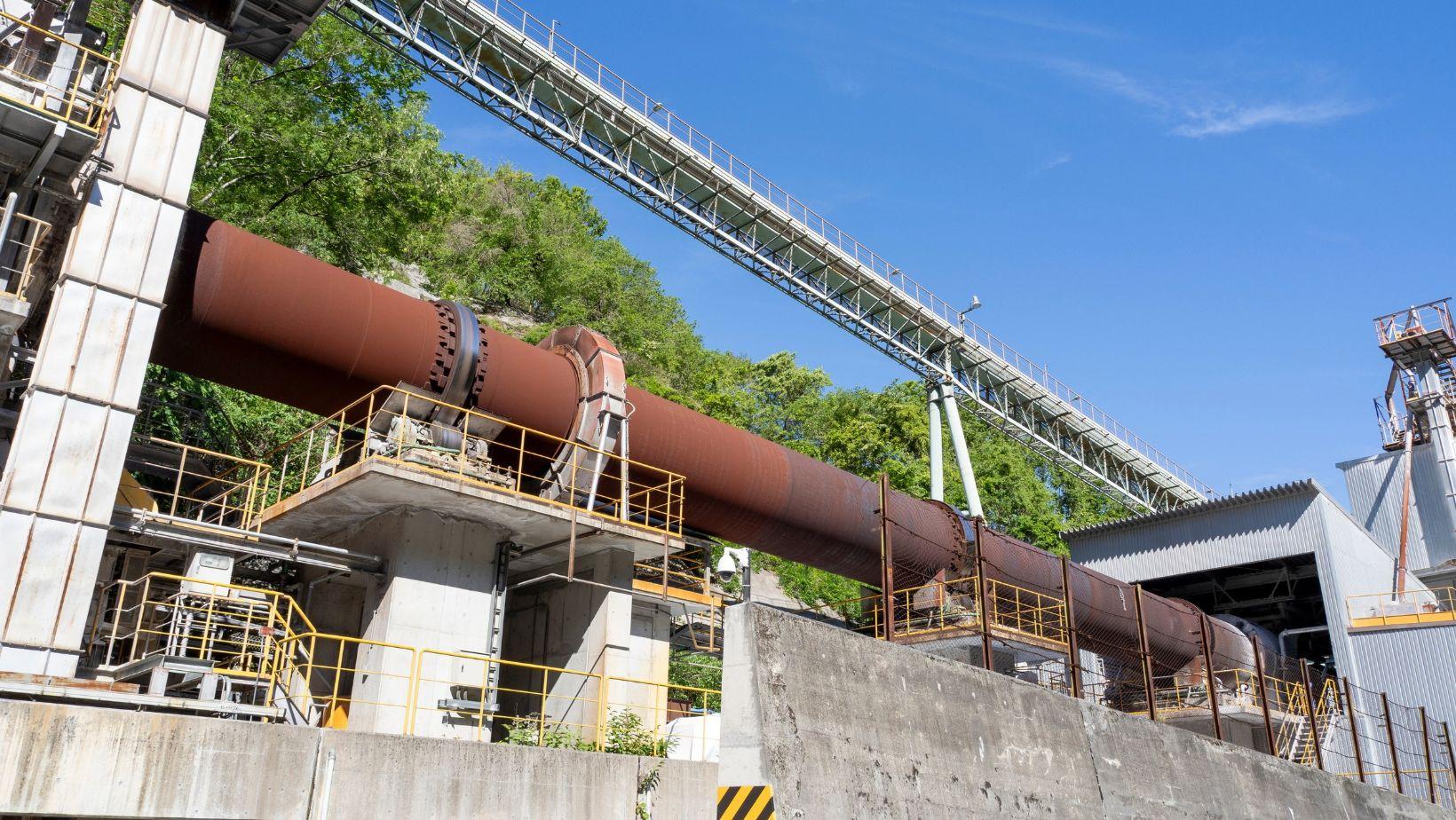
The kiln is still turning. Production is moving. Your next shutdown is months away. Yet higher fuel bills, inconsistent output, and recurring operating adjustments may already be eating into the plant’s margins.
Rotary kiln chain replacement should be planned as a strategic energy project. For kilns equipped with internal heat exchange chains, the investment can support lower fuel consumption, more consistent production, and stronger operating margins. Assessing those opportunities early gives your team time to define the work and allocate the budget.
That starts with bringing the right people into the conversation early. When maintenance, operations, finance, and Jammbco have time to assess the opportunity together, the project can be planned around what the kiln needs to achieve over its next operating campaign.
Why Rotary Kiln Chain Replacement Is an Energy Investment
Inside a chain-equipped rotary kiln, the chain system helps transfer heat between hot gases and the material being processed. Its design and condition influence how effectively that heat is used.
As chains wear down or sections become detached, the available heat transfer surface can decrease. A system that no longer suits the kiln’s operating conditions can also contribute to dust and unstable performance. Simply ordering another set of chains may leave the underlying problem unresolved.
That’s why kiln chain systems need to be assessed against kiln dimensions, operating temperatures, feed conditions, and production requirements. Chain layout and metallurgy should support the process.
The financial opportunity follows that engineering work. Better heat recovery can reduce the fuel required per tonne. Improved operating stability can help a plant maintain useful output more consistently. The value depends on the conditions at your facility and the problems the project can realistically address.
The Cost of Waiting Builds While the Kiln Runs
A kiln doesn’t have to stop to become expensive.
It may require more fuel to maintain the same production rate. Operators may spend more time managing dust recycle or responding to unstable conditions. Output may become harder to sustain, even though the equipment remains available.
In The Reliability Fallacy, FLSmidth’s Jose Gil explains that reliability includes how well equipment performs while running. Energy consumption, achievable production targets, and properly funded maintenance all belong in that discussion.
For your plant, this means the replacement decision should account for the cost of continued underperformance alongside the purchase price.
Leaving the assessment until the shutdown scope is nearly finalized can also narrow your options. Engineering, budget approval, component supply, and installation planning each need time. An early review gives your team room to compare solutions and prepare a defensible investment case.
Contact Jammbco while your shutdown scope and budget are still being developed. That gives your team time to assess the existing chain system and compare options before purchasing decisions are finalized.
Assess Performance Before Defining the Replacement Scope
Start by establishing what the kiln is doing today and where performance has changed.
Useful information includes:
- Fuel consumption per tonne of acceptable product.
- Production rates and the consistency of that output.
- Feed moisture, composition, and other relevant process conditions.
- Exit gas temperature trends and available dust recycle measurements.
- Chain inspection findings, previous repairs, and existing system drawings.
Look at these measurements together. Rising exit gas temperatures or higher fuel consumption can justify investigation, but several process and equipment conditions may contribute.
The wider mechanical condition matters too. Metso’s rotary kiln maintenance guidance identifies misalignment, shell ovality, and improper lubrication among the issues operators should monitor. Misalignment can affect load distribution and reliability, while ovality can put refractory integrity at risk.
These findings help coordinate the overall shutdown scope. A chain replacement project needs realistic expectations about which problems it can address and which require separate work.
How to Evaluate Rotary Kiln Chain Replacement ROI
A useful proposal connects the project cost with measurable operating benefits. It should also make the assumptions clear enough for finance and operations to review together.
Estimate Energy Savings Using Plant Data
Begin with the current energy consumed per tonne and a technically supported estimate of the improvement.
Annual fuel cost savings can be estimated as:
Reduction in energy per tonne × annual production × fuel cost per unit of energy
Use consistent units and realistic production forecasts. Test the calculation against different fuel prices and operating levels, so the budget doesn’t depend on the most optimistic scenario.
Put a Financial Value on Production Improvements
More consistent production can have value, but the benefit looks different at each facility.
A plant with available demand and downstream capacity may be able to sell additional output. A pulp mill may benefit through reduced purchased quicklime requirements. Other facilities may see savings through fewer recurring interventions or reduced material handling costs.
Jammbco’s Peace River lime kiln case study provides a practical example. Following a chain section upgrade, the mill reported more consistent operation at high production rates and reduced purchased quicklime requirements, connecting the project to a measurable operating expense.
For additional sales, calculate the contribution remaining after variable production costs. Extra revenue alone doesn’t show the project’s financial return.
Take care to avoid counting the same benefit twice. Energy savings and production gains should use compatible assumptions about throughput and operating hours.
Include the Full Installed Cost
The budget should cover engineering, components, removal, installation labour, logistics, supervision, and any additional outage time required.
A straightforward starting point is:
Simple payback in years = total project cost ÷ annual net operating benefit
The annual net operating benefit should account for any additional recurring costs associated with the new system. Simple payback provides an initial screening measure. A fuller investment assessment should also consider expected service life, ongoing costs, and benefits over the project’s operating life.
Where replacement is already necessary, compare the additional cost of an upgraded design with its additional benefits. This helps the team evaluate the performance opportunity within the required maintenance work.
Keep uncertain benefits, such as avoided future breakdowns, separate from savings you can estimate more directly.
Start Rotary Kiln Shutdown Planning Around Six Months Ahead
When planning rotary kiln chain replacement, consider opening the discussion around six months before shutdown. Use that as an initial planning target, then confirm the project schedule with Jammbco. The time required will depend on engineering needs, supply requirements, and your plant’s approval process. Some projects may need longer.
Begin With the Performance Problem
Share the planned shutdown date, operating concerns, and available kiln data with Jammbco.
Bring maintenance, operations, and engineering into the review early, with procurement and finance involved as the scope develops. Agree on the outcome the investment should support, such as lower energy intensity or more consistent production.
Develop the Scope and Secure the Budget
Use the assessment to compare replacement options, define installation requirements, and estimate the return.
Confirm component lead times and delivery arrangements while there’s still room to adjust the plan. Include associated hardware and any work that must be coordinated with other shutdown activities.
Prepare for Installation and Verification
Before the kiln stops, confirm materials, labour, sequencing, and inspection responsibilities.
Also agree on how results will be measured after restart. Once operation has stabilized, compare performance under similar feed, production, and product quality conditions. That follow-up helps establish what the investment delivered and informs future decisions.
Plan Your Next Chain Replacement With Jammbco
Your next shutdown is an opportunity to improve the operating performance your plant will depend on for months afterward.
At Jammbco, we combine rotary kiln services, chain system expertise, and practical field support to help plants investigate performance issues and identify improvements. Getting us involved early gives your team time to define the scope and build a budget around the expected value.
Planning rotary kiln chain replacement? Contact us to arrange a kiln performance review. Explore potential energy savings, production improvements, and project requirements while there’s still time to shape your shutdown scope and secure the budget.
Frequently Asked Questions
Does Every Rotary Kiln Use a Chain System?
No. Kiln configurations vary. This article applies to rotary kilns equipped with internal heat exchange chains. Recommendations need to match the specific process and equipment.
Does the Entire Chain System Need to Be Replaced?
That depends on the condition and design of the existing system. An assessment can establish whether selective replacement, changes to attachment hardware, or a broader system upgrade is appropriate.
What Should We Prepare Before Contacting Jammbco?
Start with your shutdown date, kiln dimensions, available chain drawings, inspection history, and a summary of operating concerns. Include performance trends where available. Jammbco can help identify what additional information is needed.
Can We Contact Jammbco With Less Than Six Months to Go?
Yes. Share your shutdown date and known concerns as soon as possible. An early conversation within your remaining schedule helps establish feasible assessment, supply, and installation options.